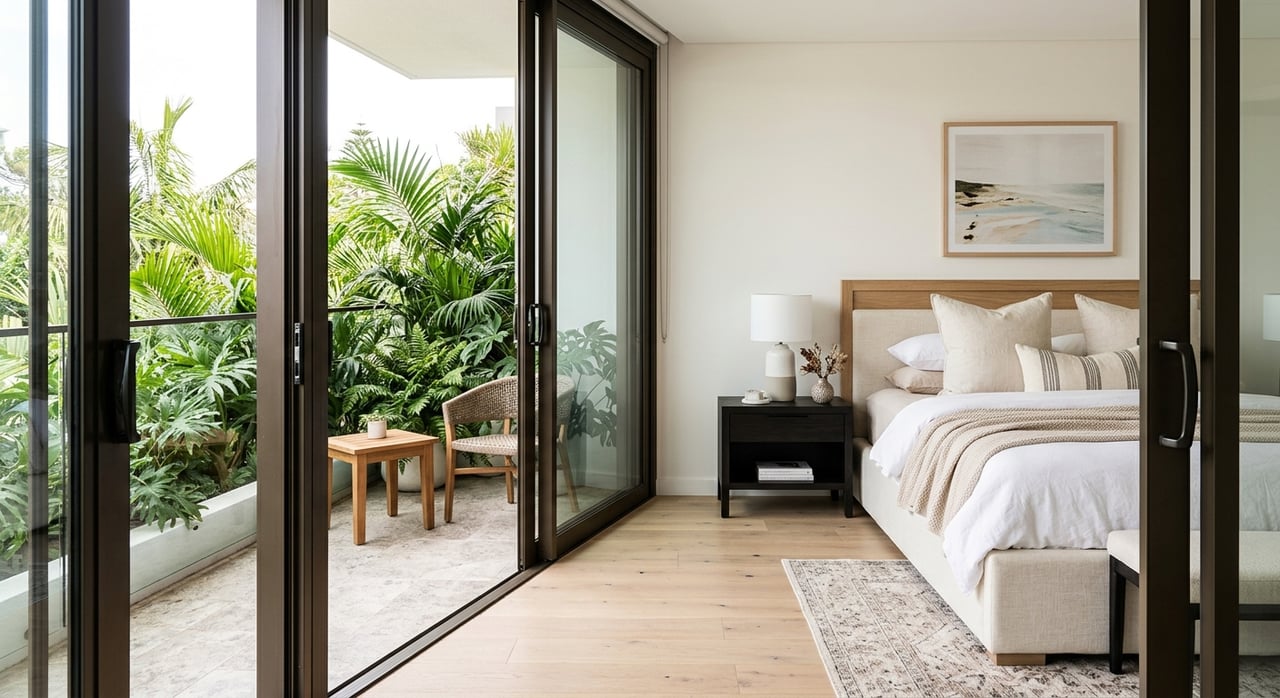
If you own a property on Singer Island, you may be looking at the shoreline, the resort energy, and the winter demand and wondering if now is the time to launch a high-end seasonal rental. That instinct is well founded, but this market rewards more than a beautiful unit. To launch successfully, you need the right operating model, the right building approvals, and a guest experience that feels effortless from day one. Let’s dive in.
Why Singer Island Fits Seasonal Rentals
Singer Island has real advantages for seasonal demand. It offers seven miles of shoreline, public beach parks, and convenient access to snorkeling, diving, boating, and resort activity. The location also connects guests to nearby destinations like Peanut Island, Phil Foster Park, John D. MacArthur Beach State Park, and the shopping and arts offerings of West Palm Beach.
That setting supports a very specific type of renter. In this market, you are likely appealing to snowbirds, extended-stay leisure travelers, boating families, and guests who want a resort-style stay with more privacy than a hotel can offer. Many travelers are not just booking a place to sleep. They are booking a seamless coastal lifestyle.
Timing also matters. Discover The Palm Beaches reports that Thanksgiving marks the start of high season, and the area continues to see record tourism. With 9.9 million visitors in calendar 2024 and 10.6 million visitors in the fiscal year ending September 30, 2025, early fall is the practical window to have your property fully prepared and marketed.
Start With the Operating Model
Before you think about furniture, photos, or pricing, decide what kind of rental you are actually creating. On Singer Island, that choice shapes nearly everything that follows. A short-stay vacation rental and a longer seasonal lease can look similar in a listing, but they often carry different compliance requirements.
Florida distinguishes between transient and nontransient lodging. Under state law, a transient public lodging establishment generally involves rentals made more than three times in a calendar year for periods of less than 30 days or one calendar month, or a property that is regularly advertised for those shorter stays. A vacation rental falls within that transient category when it is a condominium, cooperative, or one-to-four-unit home that is not a timeshare project.
That means one of your first strategic decisions is whether your property will be offered for shorter stays or positioned for 30-day-or-longer seasonal leasing. A longer seasonal lease may fit Florida’s nontransient category, but you still need to confirm local rules, building documents, and tax obligations before going live. On Singer Island, the operating model is not a minor detail. It is the foundation of the launch plan.
Confirm the Exact Jurisdiction First
Singer Island is not governed by just one local authority. The island includes Palm Beach Shores at the southern tip and parts of Riviera Beach. That matters because local approvals and permit paths can differ depending on where your property sits.
Palm Beach County requires a local business tax receipt for people or entities doing business in the county. County application instructions also route city properties to municipal zoning approval and unincorporated properties to county zoning approval. Riviera Beach states that a Certificate of Use and or Business Tax Receipt is required for business activity within city jurisdiction, while Palm Beach Shores has a separate vacation-rental permit process and an initial inspection before issuance.
For that reason, one of the first practical steps is verifying your exact jurisdiction before the property is advertised. Even a well-designed launch can stall if the local approval path was misunderstood at the start.
Condo Rules Can Make or Break the Plan
On Singer Island, many high-end seasonal rentals are condominiums. In that setting, the declaration and building rules can be just as important as county requirements. Sometimes they matter even more.
Florida condominium declarations may include enforceable covenants and restrictions tied to use, occupancy, and transfer. In plain terms, your building documents may control minimum lease length, guest approval steps, occupancy limits, pet policies, parking access, amenity use, and whether short-season advertising is allowed at all.
This is where many owners lose time. They assume that because a market is strong, a building will support the rental strategy they have in mind. On Singer Island, it is essential to answer a few questions early:
- Is the property in a true condo rental, a condo-hotel, or a residential tower with seasonal restrictions?
- What minimum lease term does the declaration allow?
- Are guests allowed to use the pool, beach access points, parking areas, or clubhouse facilities?
- Are there building rules tied to pets, smoking, move-ins, or guest turnover?
If those answers are unclear, your launch is not ready yet.
Understand Taxes and Registration Early
A luxury seasonal rental should feel polished to the guest, but behind the scenes it must also be organized. In Palm Beach County, the tax and registration side should be addressed before marketing begins.
Palm Beach County’s Tourist Development Tax is 6% on transient rentals of six months or less. County guidance says this tax is in addition to the 6.5% state and local sales tax rate now in effect in Palm Beach County. The county also states that hosts must register the TDT account, obtain a short-term rental local business tax receipt for each TDT account, and file monthly reporting that is due on the 1st and late after the 20th.
County guidance further notes that online platforms do not remit Tourist Development Tax to the county tax collector. Mandatory fees such as cleaning and pet fees are also included in the TDT base. For owners, this is a reminder that gross revenue is not the same thing as net revenue, and a clean launch depends on getting the compliance stack right from the outset.
Design for a Resort-Level Experience
Singer Island is not a market for a basic furnished unit with ocean-adjacent branding. Guests are paying for convenience, comfort, and atmosphere. Your property should feel more like a private resort residence than a simple rental.
That starts with presentation. Strong photography, a clean and coordinated interior palette, hotel-quality bedding, and a calm coastal design are all part of the competitive standard. The goal is not overdesign. The goal is to create a space that feels fresh, uncluttered, and easy to enjoy.
Durability matters too. Performance fabrics, easy-clean surfaces, and finishes that hold up to sand, humidity, and frequent turnovers are smart choices in this environment. On Singer Island, luxury works best when it is both attractive and practical.
Focus on the Right Rooms
If you are deciding where to invest first, prioritize the spaces guests notice most. The primary suite and living room should feel premium, comfortable, and visually calm. Those rooms often drive both first impressions and reviews.
Open space matters as much as furniture. Guests need room for luggage, beach bags, and wet items without feeling crowded. A polished seasonal rental should support real living, not just look good in photos.
Stock the Home for Real Use
A high-end guest expects more than decorative staging. A complete kitchen, dependable Wi-Fi, easy self-check-in, washer and dryer access, and blackout shades all reduce friction during a stay. These practical details often matter as much as the view.
Beach gear should also be treated as part of the product. Towels, chairs, an umbrella, a cooler, and smart storage for sand-related items make the property more usable and more memorable. If your listing promises a beach lifestyle, the home should support it without guests needing to improvise.
Make Convenience Part of the Luxury
In a market shaped by beaches, marinas, snorkeling, and resort activity, convenience is part of the value. Guests want to know how the stay will work before they arrive. If the experience feels confusing, the property feels less premium.
Arrival instructions should clearly explain parking, elevator access, beach entry, and pool access. House rules should be simple and easy to understand. If the property allows pets, any pet rules and associated fees should be disclosed up front.
Responsive communication also matters. Fast housekeeping, smooth check-in, and clear pre-arrival information are not extras in this segment. They are part of what guests believe they are paying for.
Market the Lifestyle, Not Just the Floor Plan
Once compliance and setup are in place, your marketing needs to reflect how guests actually choose a Singer Island rental. A list of square footage and finishes is not enough. The listing should present a low-friction, resort-adjacent coastal experience.
Lead with the features that matter most in this location. That often includes beach or water proximity, view corridors, balcony usability, parking, elevator convenience, pool access, beach gear, and whether the residence is truly turnkey. These details help a renter picture the stay before they inquire.
The surrounding lifestyle should also be part of the story. Singer Island benefits from nearby beaches, snorkeling, Peanut Island, marinas, golf access, and the dining and arts destinations of West Palm Beach. When marketed well, the property becomes more than a seasonal rental. It becomes an easy way to enjoy the area at a high level.
Launch Before High Season Begins
One of the most common mistakes in seasonal leasing is waiting too long. If Thanksgiving marks the start of high season in The Palm Beaches, you do not want to begin preparing after demand is already underway. By then, the strongest listings are already visible and inquiry-ready.
A more effective timeline is to use the months before fall to finalize the operating model, verify building rules, secure permits and registrations, complete furnishing, stage the property, and build marketing assets. That way, your listing enters the market with clarity and confidence rather than with unanswered questions.
For luxury owners, this is where experienced guidance adds real value. In a Singer Island rental launch, presentation matters, but so do the less visible details like building restrictions, tax setup, and the overall guest journey. The strongest outcomes usually come from treating the property like a branded hospitality product, not just a vacant asset with a beach address.
If you are considering launching a high-end seasonal rental on Singer Island, a careful strategy can protect both your time and your upside. For a discreet, detail-driven conversation about positioning, compliance considerations, and luxury marketing, connect with Steve Rockoff.
FAQs
What makes Singer Island attractive for a high-end seasonal rental?
- Singer Island offers seven miles of shoreline, public beach parks, and access to snorkeling, diving, boating, and nearby attractions, which supports demand from seasonal and extended-stay leisure renters.
What rental term matters most for a Singer Island owner to decide first?
- One of the first decisions is whether you will offer shorter stays or a 30-day-or-longer seasonal lease, because that choice affects licensing, taxes, and the broader compliance path.
What taxes apply to transient rentals in Palm Beach County?
- Palm Beach County states that transient rentals of six months or less are subject to a 6% Tourist Development Tax in addition to the 6.5% state and local sales tax rate now in effect in the county.
What local approvals should a Singer Island rental owner check?
- You should confirm the property’s exact jurisdiction first, because Singer Island includes Palm Beach Shores and parts of Riviera Beach, and each area can have different permit, inspection, or business tax receipt requirements.
Why are condo documents important for a Singer Island rental?
- Condo declarations and rules may govern minimum lease length, guest approvals, parking, pet policies, amenity access, and whether certain rental advertising or turnover patterns are allowed.
What amenities do luxury seasonal renters expect on Singer Island?
- Guests often expect strong photography, hotel-quality bedding, a stocked kitchen, dependable Wi-Fi, self-check-in, beach gear, washer and dryer access, parking, and a smooth arrival experience.
When should a Singer Island seasonal rental be ready to market?
- Because Thanksgiving marks the start of high season in The Palm Beaches, early fall is the practical target for having the property fully prepared and listed.