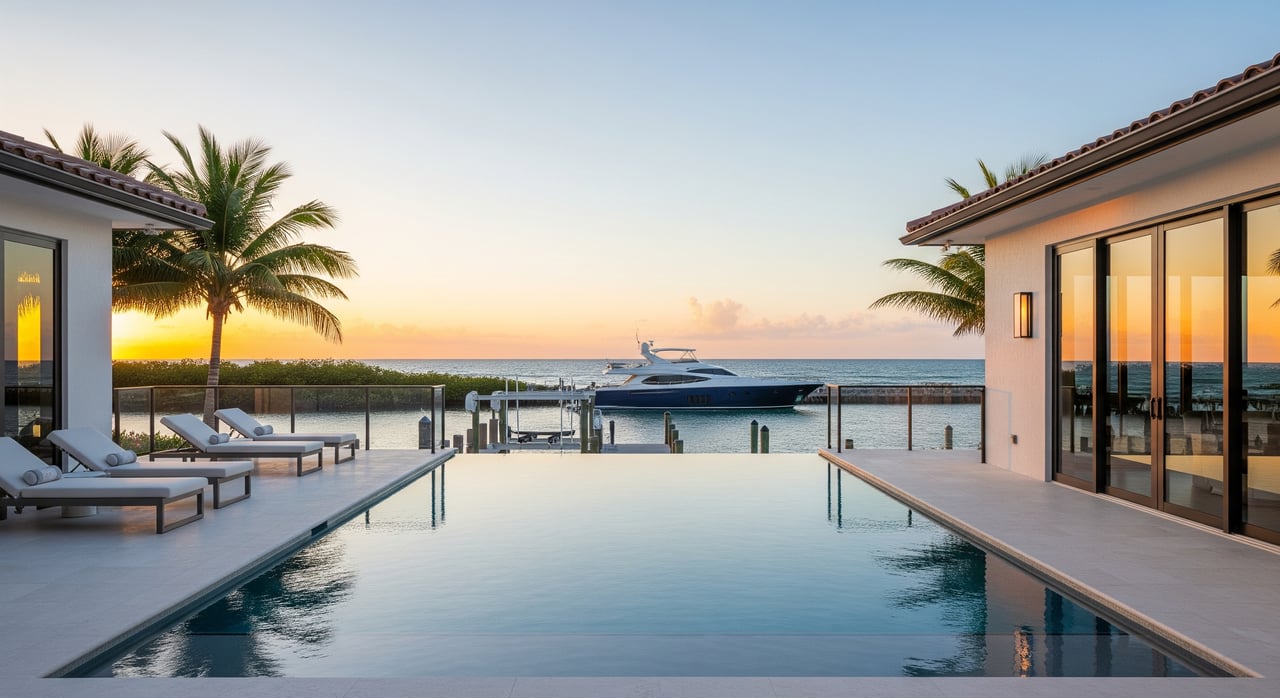
Do you picture morning beach walks or effortless afternoons on your boat? In Juno Beach, you can have a front‑row seat to the Atlantic or a protected dock on the Intracoastal Waterway, but each path comes with tradeoffs. If you’re buying a second home from out of state, you want clarity on lifestyle fit, costs, and the due diligence that protects your investment. This guide breaks down the real differences, outlines what to check before you buy, and helps you decide with confidence. Let’s dive in.
Intracoastal vs Oceanfront: Quick Compare
- Intracoastal: Best if daily boating and dock ownership are your priorities. You get protected waters, potential for a private dock or lift, and easier routine use of small to midsize boats.
- Oceanfront: Best if beach access, unobstructed ocean views, and immediate shoreline living top your list. You get surf, sand, and a true seaside experience.
- Key tradeoffs: Dockability and vessel access vs private beach frontage, open‑ocean wind and salt vs more protected water, and different insurance, maintenance, and building requirements.
- Property types: Oceanfront often means single‑family homes or boutique condos on the sand. Intracoastal commonly offers single‑family estates, townhomes, and low‑rise condos with docks.
Boating and Dockability
If you want your boat steps from your back door, Intracoastal homes are usually the practical choice. Many lots in Palm Beach County include bulkheads and private docks designed for pleasure craft. Protected waters make docking and day trips more manageable than launching directly into the open Atlantic.
That said, navigation details matter. Water depth at both your dock and the channel can limit vessel size, especially at lower tides. Review mean low tide depth along the dock and the route you’ll use. Consult NOAA nautical charts and local marinas for current depth and shoaling notes.
Bridge clearances, no‑wake zones, and your distance to an ocean inlet can shape your boating routine. Florida’s waterways include speed restrictions and safety rules. You can reference Florida Fish and Wildlife’s boating regulations for general guidance, then verify specifics locally.
If you plan to add or modify a dock, boat lift, or seawall, know that permits are required. Several agencies may be involved, including the Florida DEP and the U.S. Army Corps of Engineers. For process and scope, start with the U.S. Army Corps Jacksonville District permitting page.
Beach Access and Privacy
Oceanfront buyers choose direct sand access, unobstructed ocean views, and the sound of the surf. In Juno Beach, popular public amenities like the pier and designated access points add recreation and vibrancy. They can also affect parking and privacy near certain stretches, so it pays to walk the area at different times of day.
Confirm what you own. Some parcels include private or deeded beach frontage; others may be subject to public access easements. Local zoning, dune protection rules, and parking policies live at the municipal level. For orientation, review resources from the Town of Juno Beach and plan to verify parcel‑specific details during diligence.
Flood Zones and Storm Risk
Both sides of the water carry coastal risk, but it looks different. Many oceanfront parcels fall in FEMA V‑Zones, which reflect higher velocity wave action. Intracoastal homes can also sit in V or AE zones depending on elevation and distance from the ocean. Your insurance, construction options, and renovation budget are shaped by these designations.
Before you bid, pull the property’s current zone on the FEMA Flood Map Service Center and ask for the elevation certificate. If the lot is in a V‑Zone, expect stricter building standards and typically higher flood premiums under the National Flood Insurance Program. Surge and erosion risk varies lot by lot, so weigh the site elevation, shoreline protections, and recent local storm performance.
Building Code and Coastal Construction
Florida’s coastal rules are rigorous, and that is a good thing for resilience. The Florida Building Code sets wind loads, roof attachments, and impact protections for coastal properties. Oceanfront structures often require more elevation and engineering, which can add to upfront costs. You can review overall standards on the Florida Building Code site.
Oceanfront parcels may also fall under the Coastal Construction Control Line program, which governs work near the beach and dunes. Expect additional steps and design requirements. The Florida DEP’s coastal construction resources offer helpful context to discuss with your contractor, engineer, and permitting team.
Permits and Environmental Rules
Waterfront improvements often involve multiple agencies. In addition to local building departments, you may encounter Florida DEP permits for shoreline work and federal oversight for structures in navigable waters. For boating and docking considerations tied to wildlife and safety, review FWC guidance and confirm any local rules with the municipality or your HOA.
If you are oceanfront, ask about dune preservation, beach nourishment schedules, and any past or planned assessments related to shoreline projects. If you are intracoastal, review mangrove protections and any trimming or mitigation history on or near the property.
Salt, Wind and Maintenance
A marine environment accelerates wear. Oceanfront homes receive stronger salt spray and open‑ocean winds; intracoastal homes also face salt exposure, especially closest to the waterline. Plan for shorter service life for exterior metals and HVAC units, more frequent repainting, and periodic hardware replacement.
Using marine‑grade materials can reduce long‑term costs. Stainless 316 hardware, epoxy coatings, corrosion‑resistant fasteners, and concrete additives help, especially on balconies, railings, exterior doors, and docks. On intracoastal parcels, factor seawall and dock upkeep into your annual budget. On oceanfront, watch for dune erosion and maintain approved crossovers and vegetation.
Property Types in Juno Beach
- Oceanfront: Single‑family beachfront homes, boutique mid‑rise condos, and luxury estates with dune access. Ideal if you want beach walks, sunrise views, and a direct shoreline experience.
- Intracoastal: Single‑family estates with private docks, townhomes and low‑rise condos with shared or private slip options, and upland communities with marina access. Ideal if you want routine boating and protected mooring.
Resale dynamics vary. Direct ocean frontage often commands a premium for view and access. Intracoastal properties with true deep‑water docks can be equally prized within the boating niche. Liquidity often tracks lifestyle demand and the quality of the specific parcel, view, and improvements.
Costs, Insurance and HOAs
Expect higher carrying costs than inland properties. Oceanfront V‑Zone homes typically see higher flood insurance and more complex construction or retrofit requirements. Intracoastal owners commonly carry ongoing costs for docks, lifts, and seawalls. Every parcel is unique, so obtain quotes rather than rely on averages.
If you plan to rent seasonally, check municipal ordinances and HOA covenants before you buy. Condo and HOA rules can limit lease terms, guest parking, boat storage, and dock use. For flood insurance specifics, start with FEMA’s flood insurance overview and then request property‑level quotes from your insurer.
Buyer Due Diligence Checklist
Use this list to keep your process tight and complete.
- Flood and elevation
- FEMA flood zone, elevation certificate, and base flood elevation. Ask directly if the lot is in a V‑Zone.
- Dock and boat specifics
- As‑built dock plans, permits, age and condition, water depth at mean low tide, and any restrictions on length, draft, or beam. Confirm bridge clearances and route to an inlet using NOAA charts and local marina guidance.
- Seawall or bulkhead
- Construction date, materials, prior repairs, and who maintains it. Obtain engineering reports if available.
- Building and construction
- Permits for major work, wind ratings for doors/windows, and compliance with the Florida Building Code coastal provisions.
- Insurance and costs
- Current quotes for homeowner’s, windstorm, and flood. Ask for any prior insurance claims.
- Environmental and shoreline
- Dune crossover approvals, mangrove trimming history, and any beach nourishment or dredging assessments. Review relevant Florida DEP coastal rules and USACE permitting references.
- HOA and municipal rules
- Rental timelines, guest policies, boat storage, noise, and generator rules. Start with the Town of Juno Beach for local frameworks, then confirm with the HOA.
- Practical site checks
- Look for salt staining, rust, or concrete spalling. Observe shoreline width at different tides if oceanfront, and note nearby public access points.
- Professional inspections
- Engage a marine contractor for the dock and seawall, and a coastal‑savvy home inspector for structure, roof, and wind mitigation. Consider a surveyor to validate elevations.
How to Decide
- Start with lifestyle. If daily, easy boat use is non‑negotiable, intracoastal is the efficient and realistic choice. If you want the beach as your backyard, oceanfront aligns with your top priority.
- Set a tolerance for storm and salt exposure. Oceanfront typically sees stronger wind and spray, and intracoastal sees surge and boat wake. Decide what level of maintenance you accept.
- Run the numbers early. Get insurance quotes and dock or seawall assessments before you commit. Compare the cost to own for both options over five to ten years.
- Consider your tradeoff plan. Some buyers choose intracoastal and keep a beach locker or club access nearby. Others buy oceanfront and secure a marina slip for the boat.
If you weigh lifestyle first and verify the site‑specific details through diligence, the right answer usually becomes clear.
Ready to compare specific properties, permits, and risk profiles side by side? Connect with Steve Rockoff for a confidential, data‑driven consultation tailored to your goals.
FAQs
What is the biggest lifestyle difference between intracoastal and oceanfront in Juno Beach?
- Intracoastal prioritizes protected dockage and routine boat use, while oceanfront prioritizes direct beach access and unobstructed ocean views.
How do I check flood risk for a specific Juno Beach property?
- Pull the property’s FEMA flood zone and elevation certificate, then review the FEMA Flood Map Service Center to understand V or AE zone implications.
Can I build or modify a private dock on the Intracoastal?
- Dock work typically requires approvals from local authorities, the Florida DEP, and the U.S. Army Corps; start with USACE permitting guidance and confirm locally.
Are oceanfront homes costlier to insure than intracoastal homes?
- Many oceanfront lots fall in V‑Zones and often carry higher flood premiums; compare quotes using FEMA flood insurance guidance and your insurer’s property‑specific numbers.
How can I estimate whether my boat will work at an intracoastal home?
- Confirm mean low tide depths at the dock and along your route, check bridge clearances, and review NOAA nautical charts while consulting nearby marinas for local conditions.