If you are weighing a luxury condo against a luxury estate in West Palm Beach, you are really deciding how you want to live day to day. Some buyers want a polished, lock-and-leave residence near downtown and the waterfront. Others want more land, more privacy, and more control over their property. In this guide, you will see how each option works in West Palm Beach, what ownership really means in Florida, and which path may fit your lifestyle best. Let’s dive in.
Why This Choice Matters in West Palm Beach
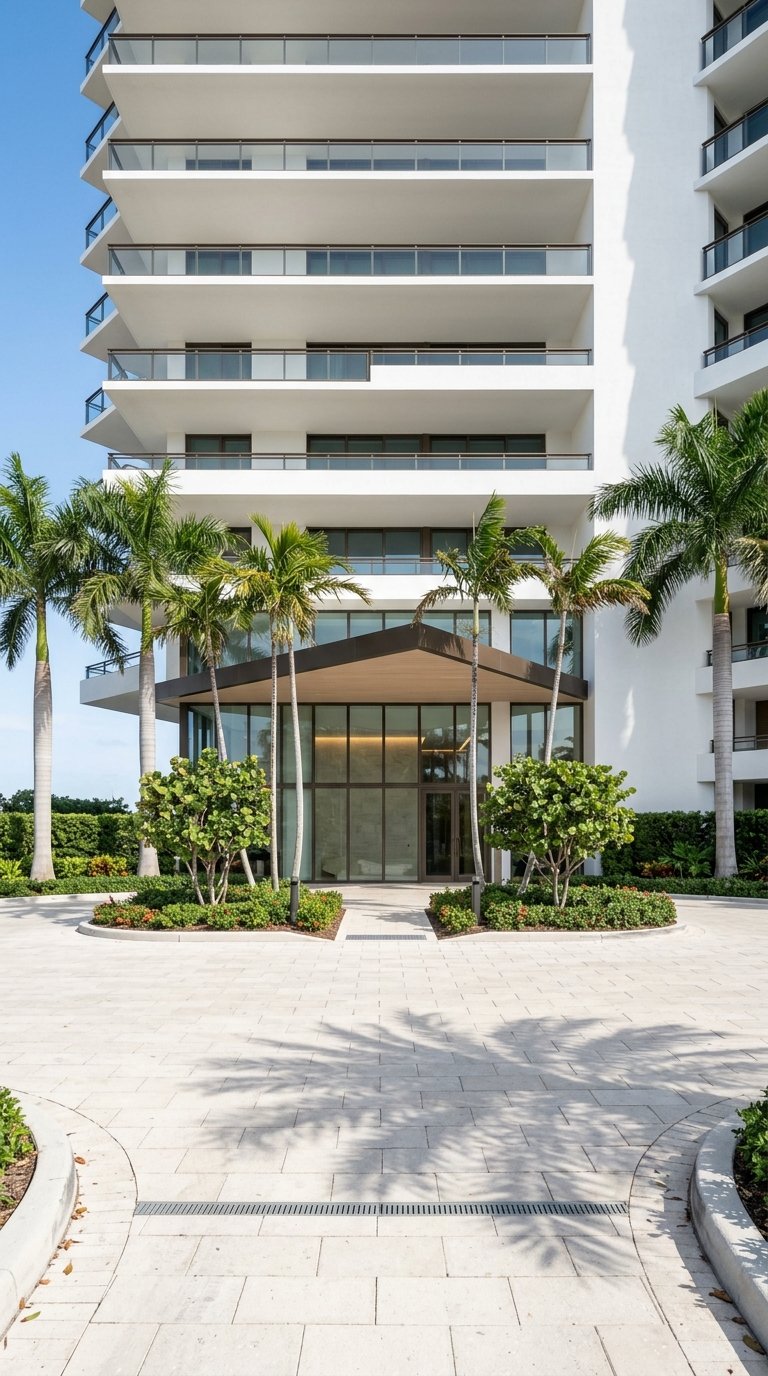
West Palm Beach gives luxury buyers two very different experiences. Downtown has been shaped as a live-work-play district, with nearly 9,000 residential units and more than 10.4 million square feet of nonresidential development under the city’s Downtown Master Plan Update. The city also places strong emphasis on waterfront access and Intracoastal use, including public docks and sailing instruction.
That helps explain why luxury condo demand is so closely tied to the urban core and waterfront. At the same time, the upper end of the market remains competitive, with a January 2026 luxury market report showing a luxury median sale price of $4.24 million, pending luxury sales up 30% year over year, and relatively limited waterfront estate supply. When condo inventory is concentrated downtown and estate inventory is more limited, your choice becomes less about price alone and more about lifestyle, control, and long-term fit.
What Condo Ownership Means
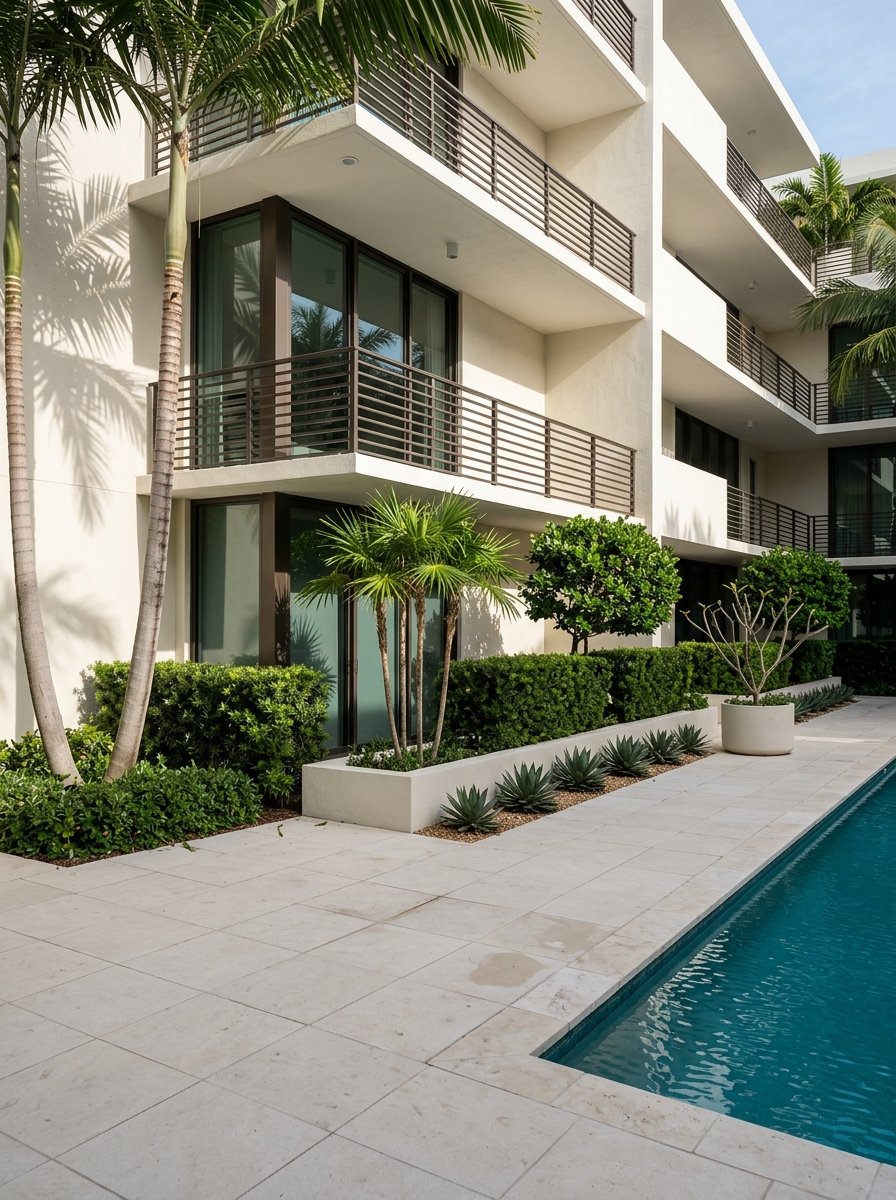
In Florida, condo ownership is not the same as owning a detached home. You own your unit, but the building also includes common elements such as areas outside the units, utility easements, support elements, and installations used by more than one unit. In most cases, the condominium association is responsible for maintaining those common elements.
That structure shapes the condo experience. You are buying into a residence within a shared building system, not a fully independent property. For many luxury buyers, that means access to convenience, services, and amenities with less hands-on day-to-day maintenance.
Condo Benefits for Luxury Buyers
A luxury condo can be a strong fit if you value simplicity and ease. This is often appealing if you split time between Florida and another home, travel often, or prefer a more turnkey lifestyle.
Common advantages include:
- Less direct responsibility for shared-building maintenance
- Easier lock-and-leave ownership
- Strong proximity to downtown, waterfront activity, and urban amenities
- Access to shared services and amenity-rich living
Condo Trade-Offs to Understand
The same legal structure that creates convenience also creates limits. You will have less privacy than you would in a detached estate, and you will share walls, systems, and common spaces with other residents.
You also need to be comfortable with building-level rules and association governance. Renovation approvals, pet rules, rental restrictions, parking, storage, and use of shared spaces can all affect how you live in the property.
What Estate Ownership Means
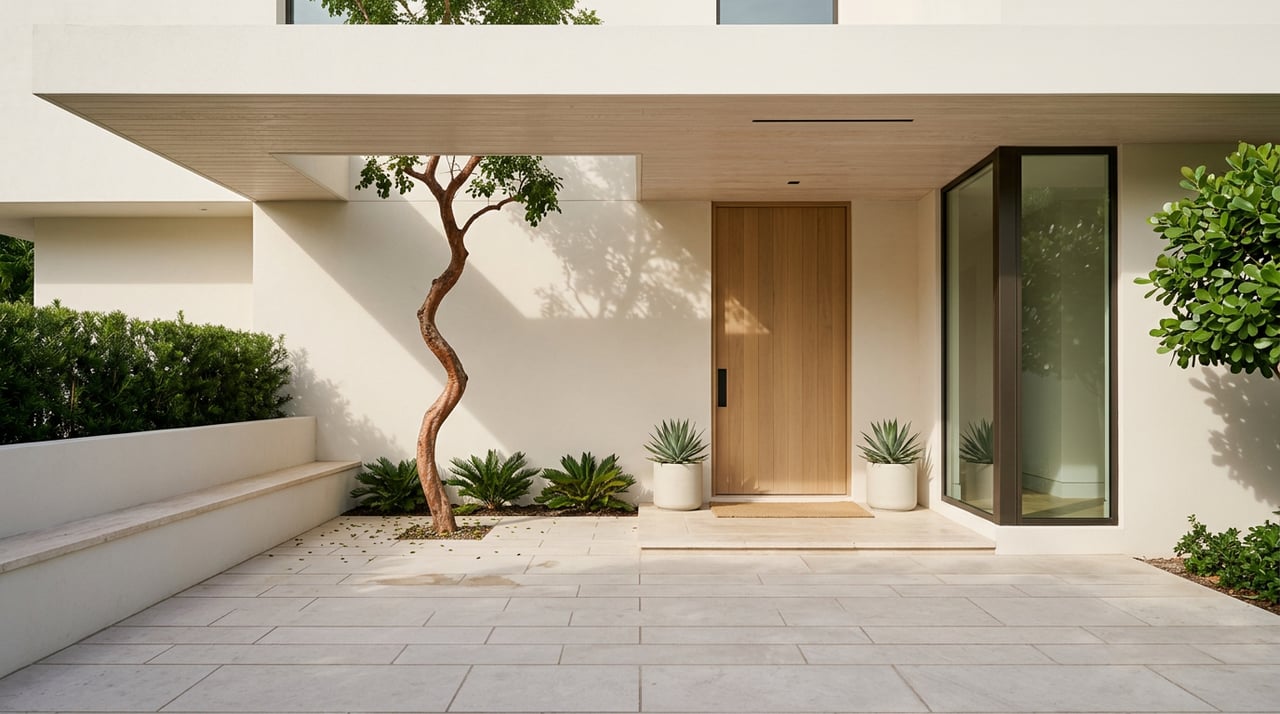
A luxury estate usually offers the opposite balance. You typically gain more privacy, more outdoor space, and more direct control over how you use the property. For buyers who value independence, that can be a major advantage.
Still, estate ownership does not always mean total freedom. If the home is in an HOA-governed community, Florida law allows associations to review and approve certain plans for improvements when that authority appears in the governing documents. Associations may also enforce exterior appearance standards.
Estate Benefits for Luxury Buyers
For many buyers, the appeal of an estate is straightforward. You have a detached property, more separation from neighbors, and more room for outdoor living, entertaining, hobbies, pets, or boating-related features where allowed.
An estate may be especially appealing if you want:
- More privacy and physical space
- Greater control over daily property use
- Room for pools, landscaping, docks, or larger outdoor areas
- More flexibility for long-term living and customization
Estate Trade-Offs to Understand
With more control comes more responsibility. You may be managing roofing, landscaping, irrigation, a pool, a dock, storm preparation, driveway upkeep, and vendor coordination directly. That can be worth it for the right buyer, but it is a very different ownership experience from a condo.
You also should not assume an HOA has little authority just because the property is a detached home. Florida law gives HOA communities tools for assessments, liens, fines, and suspension of common-area use rights in certain circumstances when owners do not comply with governing documents or reasonable rules.
Privacy, Convenience, and Control
For most West Palm Beach luxury buyers, the real decision comes down to three things: privacy, convenience, and control. A condo usually leans toward convenience. An estate usually leans toward privacy and control.
If you want a residence that supports frequent travel, seasonal ownership, and easy access to downtown waterfront living, a condo often makes sense. If you want more space, more separation, and the ability to shape the property more directly, an estate is often the stronger fit.
A Simple Decision Lens
Ask yourself these questions before you narrow your search:
- How often will you be in residence each year?
- Do you want a turnkey home or a property you can customize more freely?
- How much privacy matters to you on a daily basis?
- Are you comfortable with building rules or community governance?
- Do you want less maintenance responsibility, or are you willing to manage more for greater control?
Your answers usually point clearly in one direction.
Condo Due Diligence in Florida
Luxury condo buying in Florida requires careful review. State law places strong emphasis on records, budgets, financial reporting, and resale disclosures. Sellers are generally required to provide important documents to resale buyers, including the declaration, bylaws, rules, annual financial statement, annual budget, FAQ, and in some cases milestone-inspection and structural-reserve documents.
That matters because a condo purchase is not just about the unit itself. You are also stepping into the financial and physical condition of the building. A beautiful residence can still carry building-level issues that affect future costs and your ownership experience.
Why Milestone Inspections Matter
Florida’s milestone-inspection law is especially relevant in coastal markets. Buildings that are three habitable stories or more and subject to condominium ownership generally must have a milestone inspection by age 30. Local enforcement agencies may require that inspection at age 25 when local conditions, such as proximity to salt water, justify the earlier deadline.
If substantial structural deterioration is identified, the law sets reporting, notice, and repair requirements. For a buyer in West Palm Beach, that means inspection status is not a minor detail. It is a core part of understanding building risk and future expense.
Why Reserves Matter
Monthly dues are only part of the picture. Florida’s condo framework ties structural integrity reserve studies to budget planning, and reserve funding decisions can directly affect the likelihood of future special assessments.
In simple terms, you want to know whether the building is budgeting realistically for major future needs. A lower monthly fee may not be a bargain if reserve funding is weak and expensive work is ahead.
Condo Checklist
When you are evaluating a luxury condo, review these items closely:
- Building age
- Milestone-inspection status
- Reserve study
- Current budget
- Recent special assessments
- Rental rules
- Pet rules
- Renovation approval process
- Parking and storage
- Insurance responsibility allocations
Estate Due Diligence in HOA Communities
Estate due diligence looks different. Instead of focusing on shared structural systems, you will spend more time reviewing the property itself and any HOA governance that applies to the community.
Florida law requires HOAs to prepare an annual budget, provide annual financial reporting, maintain records, and disclose whether reserve accounts are fully funded. HOA budgets may include reserves for capital expenditures and deferred maintenance, but reserve funding may be elected by the membership. Annual financial reporting must also warn owners when reserves are not fully funded and special assessments may result.
What to Review on an Estate Purchase
For a luxury estate, due diligence should focus on both the house and the community. You want a clear picture of current condition, likely maintenance needs, and any approval process that could affect future plans.
Key review items include:
- HOA budget
- Reserve funding status
- Assessment history
- Architectural-review rules
- Lien and fine provisions
- Roof condition
- Landscaping and irrigation needs
- Pool and dock upkeep, if applicable
- Driveway and exterior maintenance requirements
- Storm hardening considerations
Which Buyers Tend to Prefer Condos
In general, luxury condos tend to fit buyers who want ease and efficiency. Seasonal owners, frequent travelers, downsizers, and buyers who prioritize downtown or waterfront access with less upkeep often lean toward this option.
That does not make condos the better choice overall. It simply means they solve a specific set of lifestyle needs very well. If your goal is convenience and minimal day-to-day management, a condo can be the right strategic purchase.
Which Buyers Tend to Prefer Estates
Luxury estates often fit buyers who plan to spend more time in residence or who place a premium on space and privacy. They can also appeal to buyers who want more room for pets, outdoor living, entertaining, or property features that benefit from a larger footprint.
If you want greater control over improvements and daily operations, an estate usually aligns better. You take on more responsibility, but you also gain more independence.
The West Palm Beach Bottom Line
In West Palm Beach, this decision is especially important because the market offers both a growing downtown condo environment and a more limited supply of luxury estates, especially on the waterfront. The city’s development pattern supports condo living near the urban core, while scarcity at the upper end makes estate purchases more selective and often more lifestyle-driven.
If you want a turnkey luxury residence with easier travel, shared services, and strong access to downtown and the waterfront, a condo may be the smarter fit. If you want privacy, land, customization, and direct control over the property, an estate is often the better choice.
The right answer depends less on which property type sounds more impressive and more on how you want to live. If you want help evaluating the governance, maintenance, and market realities behind a luxury purchase in Palm Beach County, Steve Rockoff offers the kind of discreet, strategic guidance that can make a complex decision feel clear.
FAQs
What is the main difference between a condo and an estate in West Palm Beach luxury real estate?
- A condo gives you ownership of a unit within a shared building system, while an estate usually gives you a detached property with more land, privacy, and direct control.
What should buyers review before buying a luxury condo in West Palm Beach?
- Buyers should review the building age, milestone-inspection status, reserve study, current budget, recent special assessments, rules on pets and rentals, renovation approvals, parking, storage, and insurance allocations.
What should buyers review before buying a luxury estate in an HOA community?
- Buyers should review the HOA budget, reserve funding, assessment history, architectural-review rules, lien and fine provisions, and property-specific upkeep needs such as roofing, landscaping, pool, dock, irrigation, and storm hardening.
Why do reserve funds matter in Florida luxury condo purchases?
- Reserve funds matter because they help show whether a building is planning responsibly for future repairs and capital needs, which can affect the risk of future special assessments.
Are luxury estates in West Palm Beach always free from HOA rules?
- No. If the estate is in an HOA-governed community, the association may have authority over improvements, exterior standards, assessments, fines, and other rules described in the governing documents.
Which type of luxury property fits seasonal owners in West Palm Beach better?
- In general, condos often fit seasonal owners better because they can offer a more lock-and-leave lifestyle with less day-to-day maintenance responsibility.